
Across the North Atlantic to the Faroe Islands
Sailing from Djúpivogur toward the Faroe Islands, a guest reflects on shifting North Atlantic weather, deep fjords, sea cliffs and lakes suspended above the ocean.
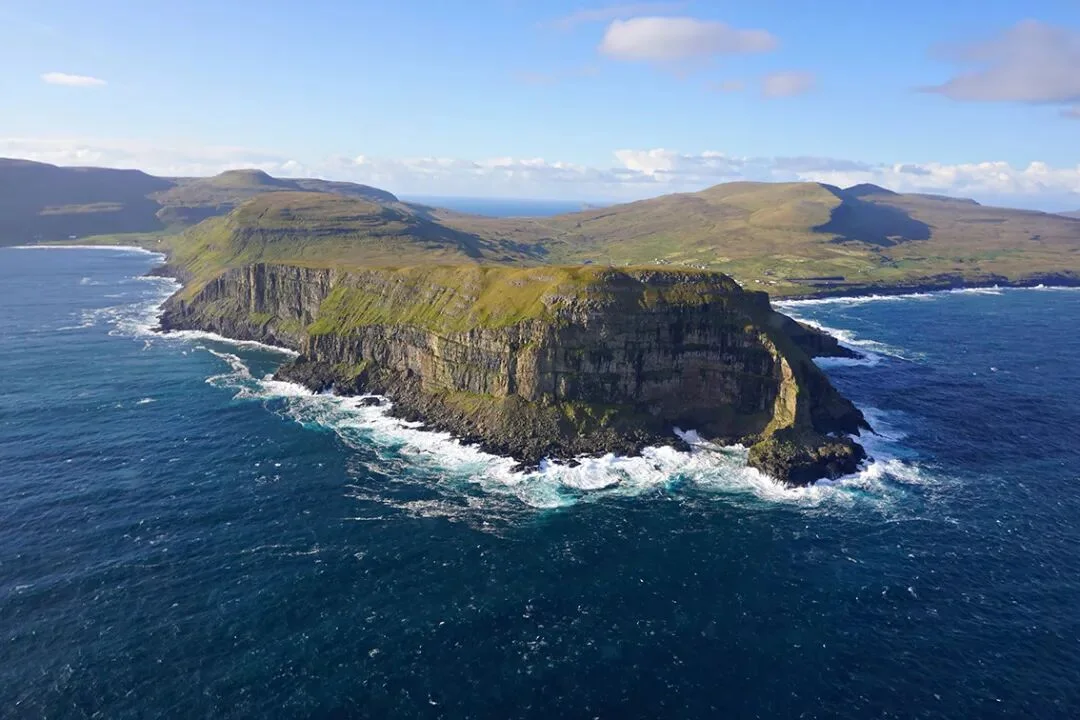
1. Wind Rises Over the North Atlantic
In early June, the cruise ship slowly sailed away from Djúpivogur Harbor in Iceland. The wind of the North Atlantic was still clear and biting, yet it had already shed the chill of late spring and taken on the air of early summer near the Arctic Circle. Warmth and sharpness intertwined, creating a gentle tension unique to high-latitude waters.
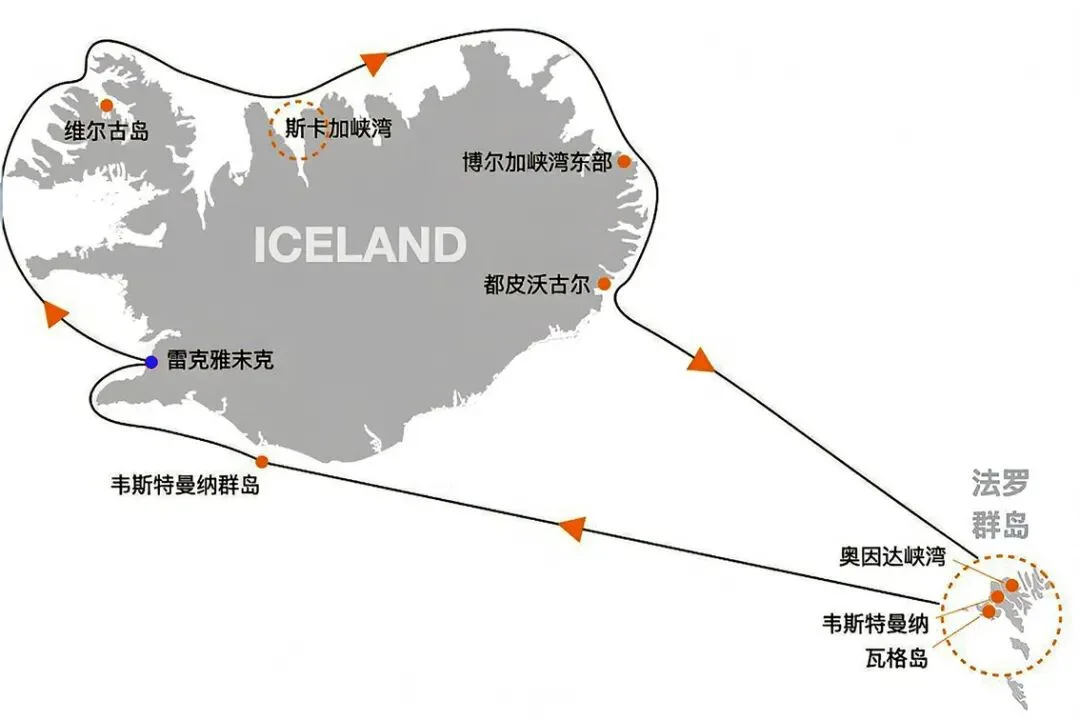
For the moment, we said farewell to Iceland's magnificent land of ice and fire. The ship turned its course and sailed slowly southeast, leaving behind the dark gray lava terraces along the coast and the snow-covered distant mountains. Only the salty, clean sea wind continued to travel with us, moving across the decks like an unfinished invitation from mountains and sea, long and lingering.
Ahead lay the Faroe Islands, a maritime secret carved for millions of years by fierce winds and great waves. As we passed through the heart of the North Atlantic between Iceland and the Faroes, the sea grew broader and broader. Away from the transparent light blue of Iceland's nearshore waters, the open ocean deepened into a heavy ink-blue, as if soaked in the purest pigment of heaven and earth. In every curling trace of wave was the grandeur and solitude of the North Atlantic.
Midway through the voyage, a cold current wrapped in fierce wind swept across the sea. The previously quiet ocean suddenly became violent. Great waves rose and rolled; vast waters surged without pause and struck the ship again and again. The large cruise ship pitched and rocked violently in the storm, hit repeatedly by heavy swells.
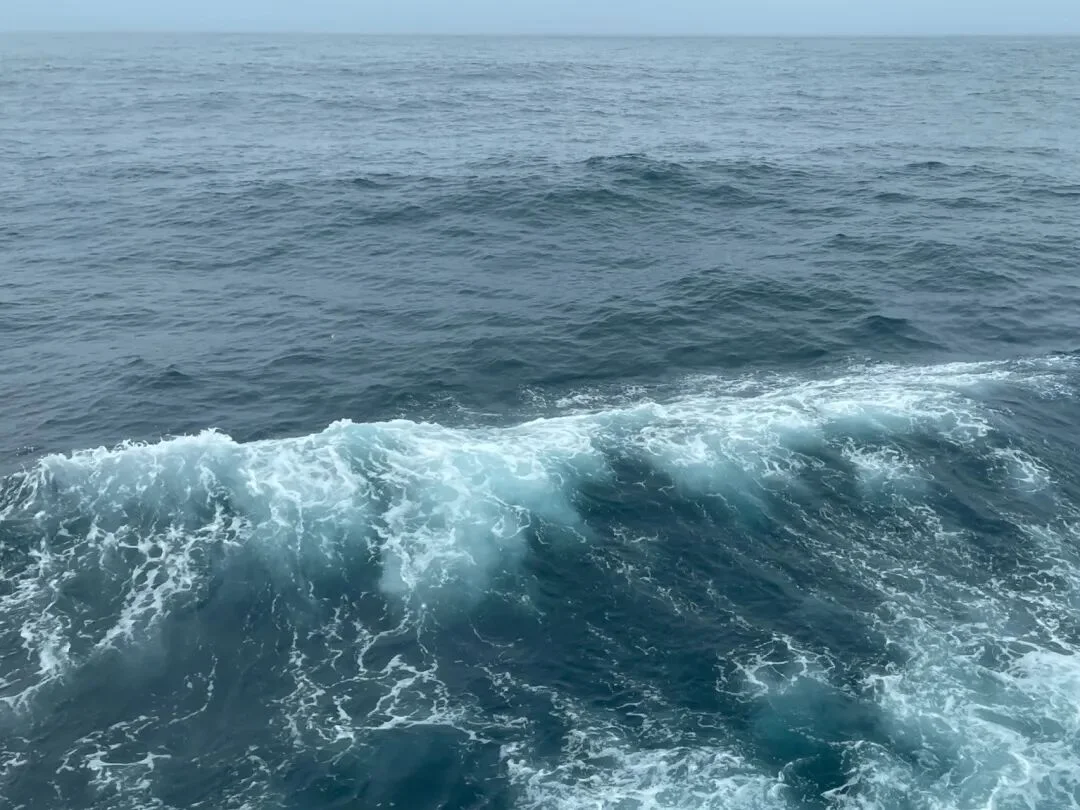
Inside the cabins, no one could stand steadily. Most passengers were dizzy and uneasy, their bodies and minds rising and falling with the motion of the ship. All that remained in our ears was the roar of wind and waves. Everyone held their breath and faced, within that violent movement, the North Atlantic's most primitive and wild power.
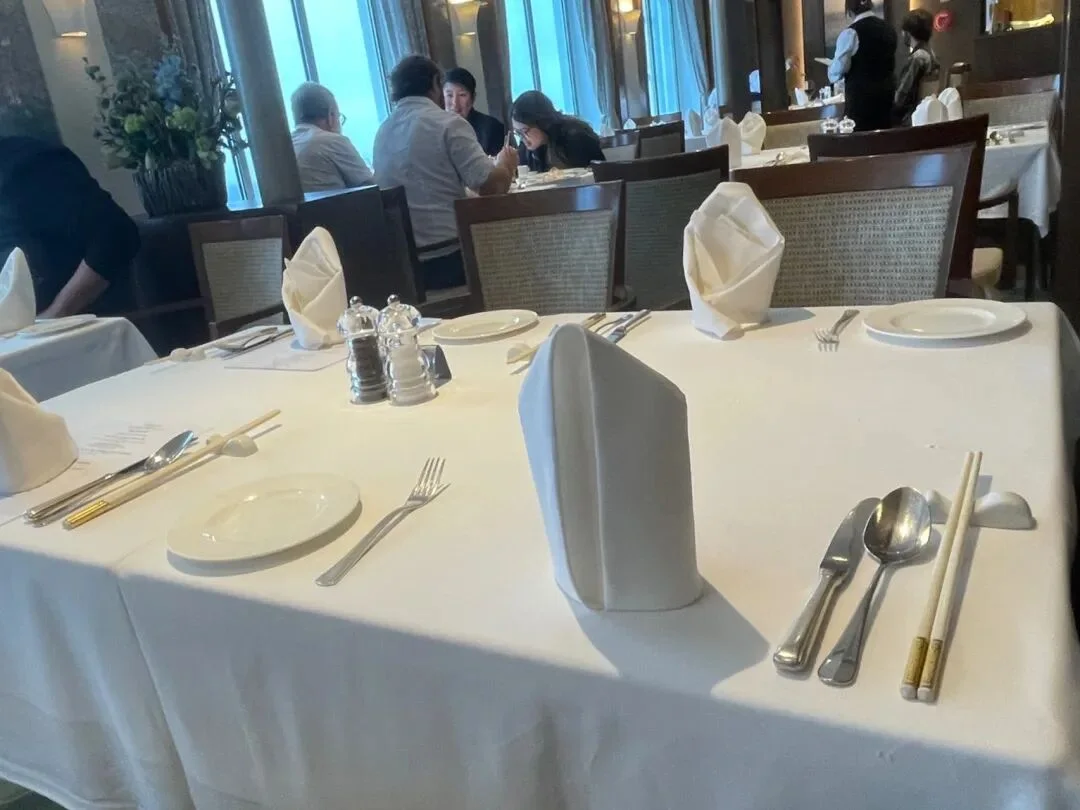
The elegant and lively ship restaurant of ordinary days became quiet and nearly empty. No one had the leisure to enjoy a meal. Everyone's mind was disturbed by the motion, filled with unease. Yet beyond the portholes, mountains and sea kept their own character. No matter how the waves raged and heaven and earth shook, flocks of seabirds still stretched their wings and passed lightly over the crests, holding their freedom and composure amid the turbulent world.
2. First Sight of the Faroe Islands
When we reached the waters of the Faroe Islands, the violent wind and waves suddenly calmed. The sea returned to gentleness and peace. The ship moved steadily forward, leaving behind a long silver-white wake that stretched into the distance, slowly opened, faded and finally merged with the pale blue horizon.
In the high-latitude midnight-sun season, daylight lingered without dispersing. Even in the afternoon, the sky remained clear and bright. Soft light poured onto the sea, breaking into shimmering white sparks, echoing the wingtips of seabirds skimming low above the water and filling the vast ocean with life.
The scent of the sea wind quietly changed. It carried the Faroe Islands' own breath: the fresh fragrance of wet moss mixed with the pure salt of the deep sea. It brushed gently over our hair and blew away the fatigue and drowsiness of days at sea. Looking out from the rail, we saw faint outlines slowly rise at the far edge of the wide water. Eighteen isolated islands lay scattered in the ocean, lightly wrapped in mist and cloud. They seemed like otherworldly isles suspended above blue water: hazy, distant and mysterious enough to stir longing at first sight.
After surviving the North Atlantic's wind and waves, the ship approached the Faroe Islands steadily. The sea was quiet and still, and the long, deep lines of fjords gradually became clear through the thin mist. Dark volcanic cliffs rose steeply, covered with thick, dense green moss. They were primitive and vast, yet full of gentle life. At the first sight of this remote coast, the fatigue accumulated through days of pitching seas disappeared. Only pure awe and endless curiosity remained. As the ship slowly came alongside, we carried full anticipation and prepared to step into this wild and pure maritime secret.
3. Seabirds, Fjords and Vast Mountain Colors
Fellow travelers spoke softly of the legends of this land. The Faroe Islands are surrounded year-round by cloud and mist and battered by strong winds. The land routes are difficult, and only after several undersea tunnels connected the islands were travelers able to enter the hidden fjords and unlock this remote beauty, far from ordinary noise.
On a journey through mountains and sea, the most moving scenery is always life encountered unexpectedly. Flocks of seabirds circled above the ship, their wings skimming the wave tops, their clear calls echoing among the sounds of the sea and forming a pure natural symphony of mountains and ocean.
The most endearing were puffins, known as the clowns of the sea. It was nesting season, and with bright orange-red beaks they repeatedly flew over the water holding silver fish. Their clumsy charm filled this grand ocean voyage with vivid delight.
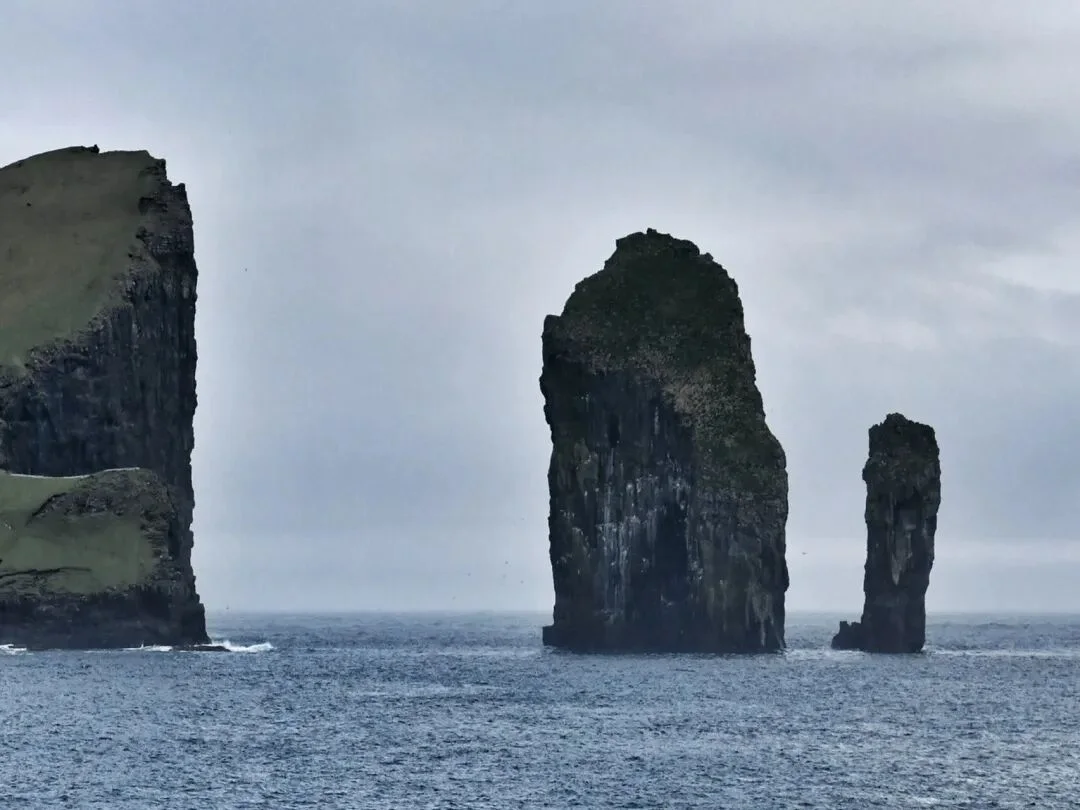
As the ship continued forward, the full face of the Faroe Islands unfolded layer by layer and grew clearer. Unlike Iceland's grand collision of glaciers and volcanoes, the beauty of the Faroes is delicate, deep and vast.
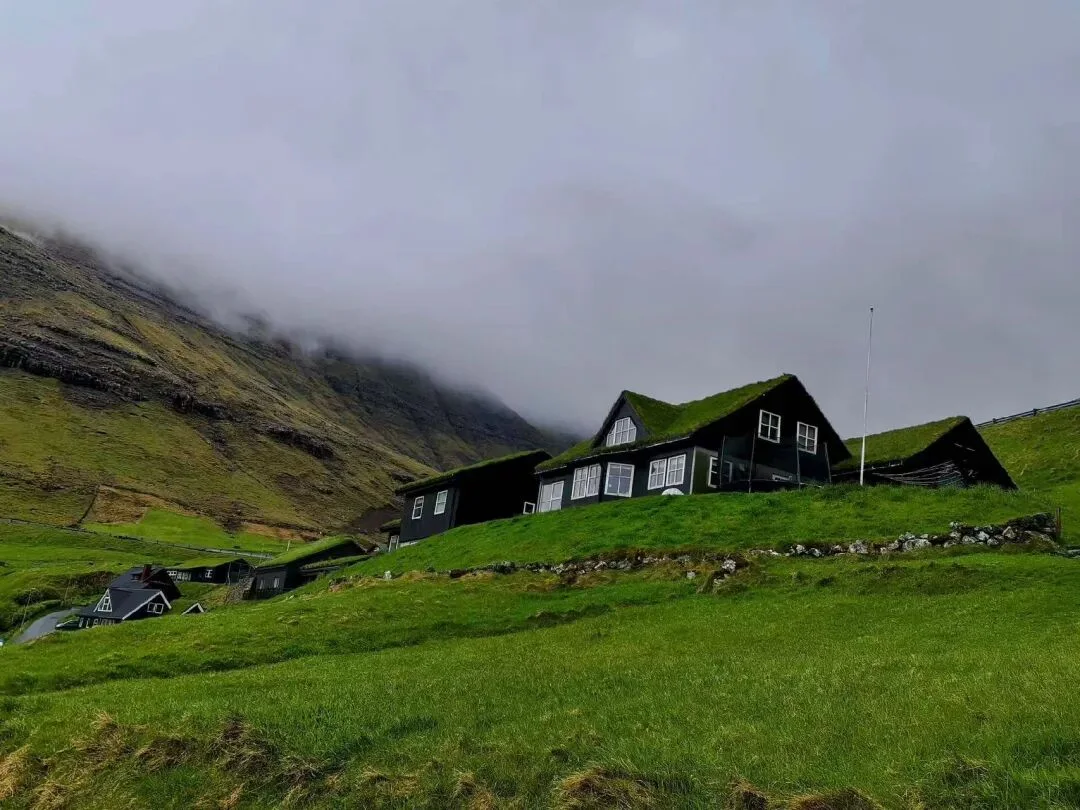
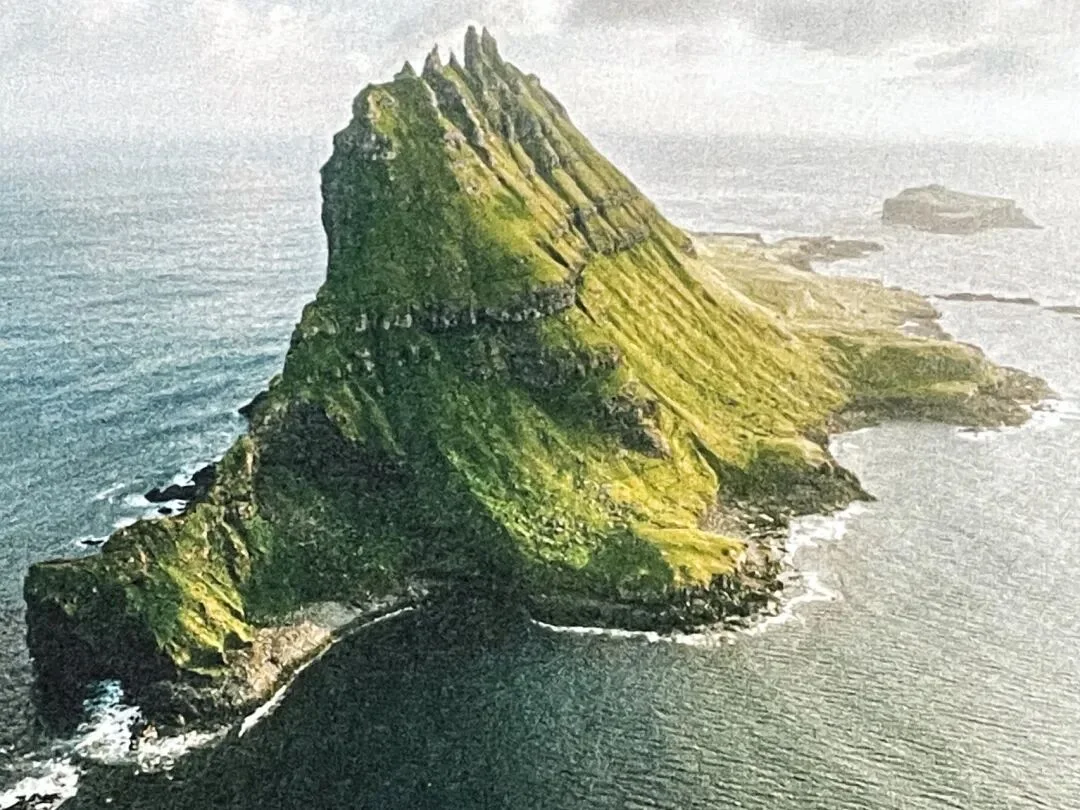
Several meters of dark green moss, soft and fine like velvet, covered the mountain slopes and wrapped the cold black basalt peaks in gentleness. Within the wild bones of the landscape was a thousand kinds of softness.
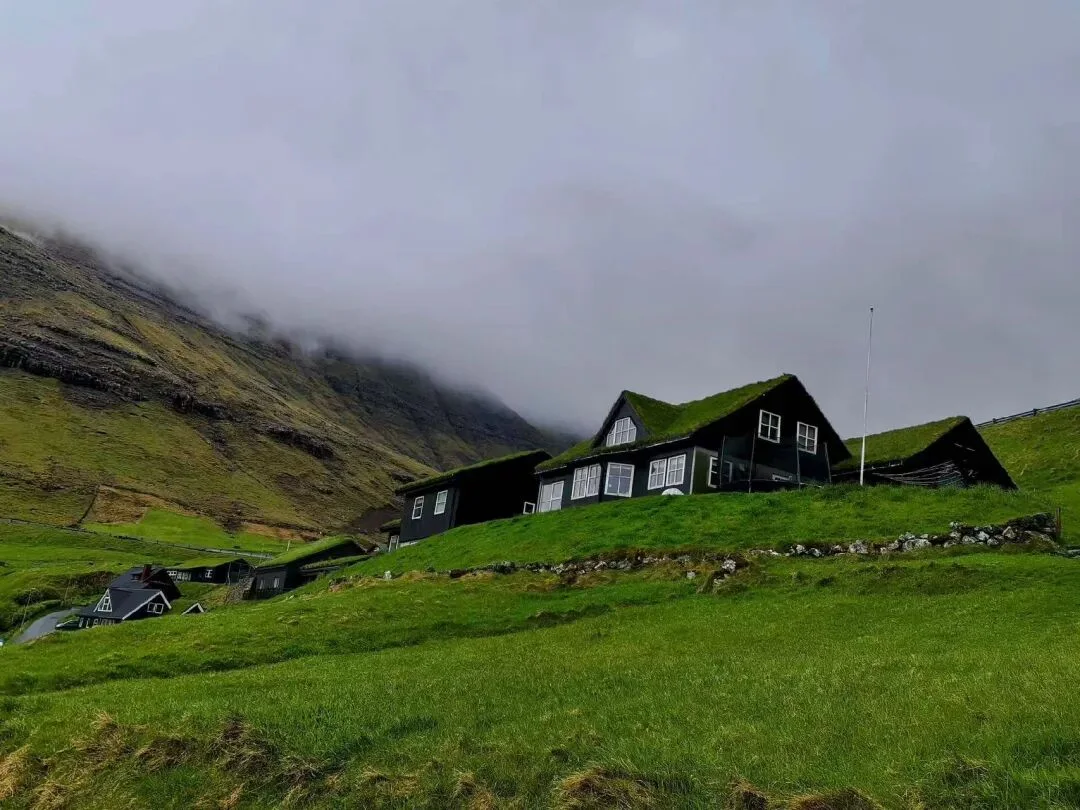
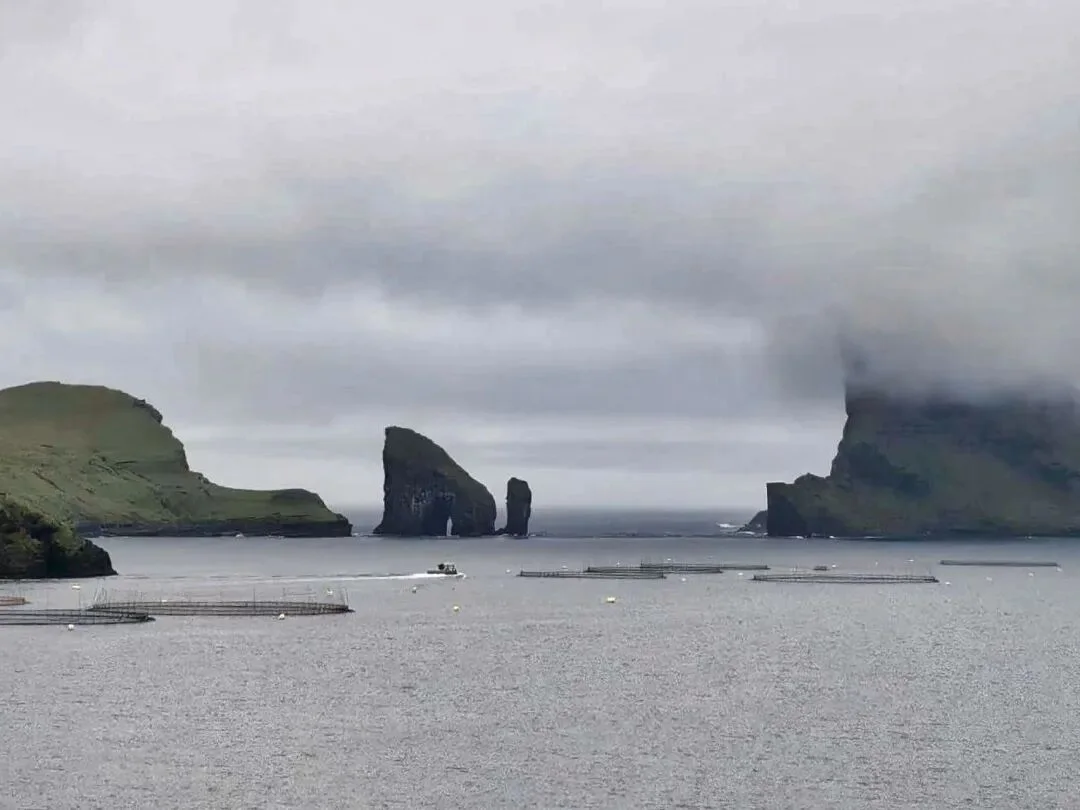
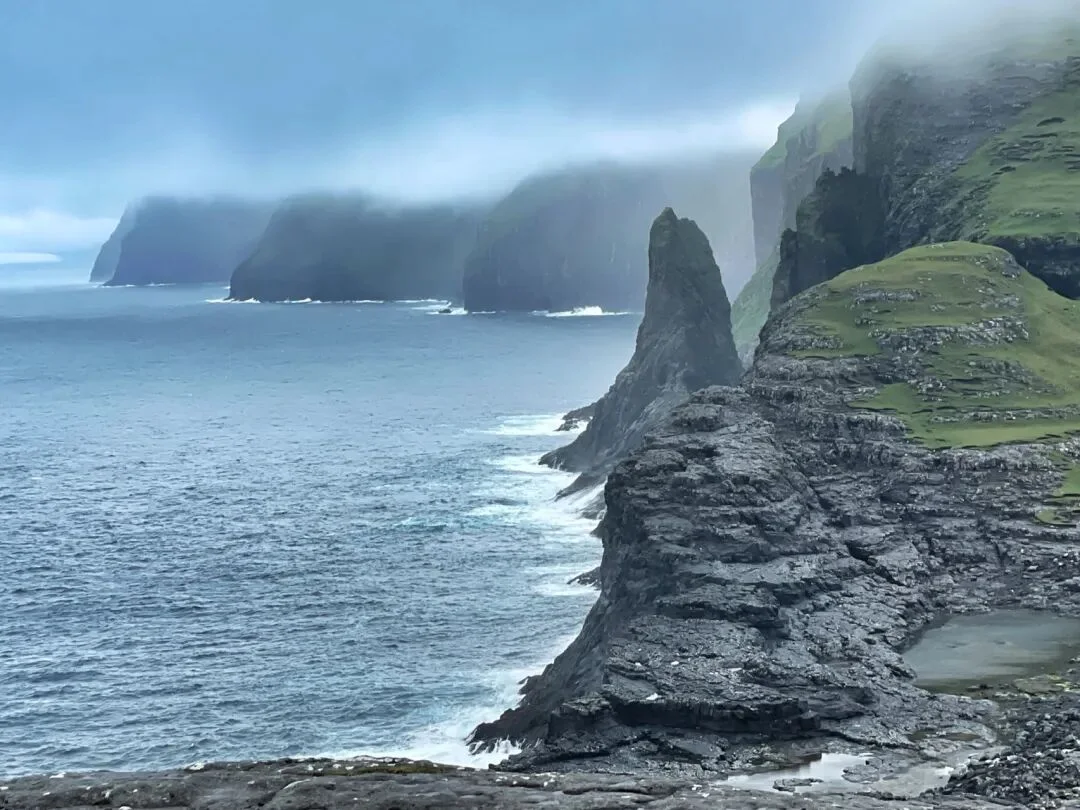
Sea stacks standing by the coast had been shaped by millions of years of waves and storms into strange and varied forms. Endless waves struck the cliffs again and again, their roar echoing through the fjords and lingering in the open mountains and sea: the eternal rhythm carved by time and ocean.
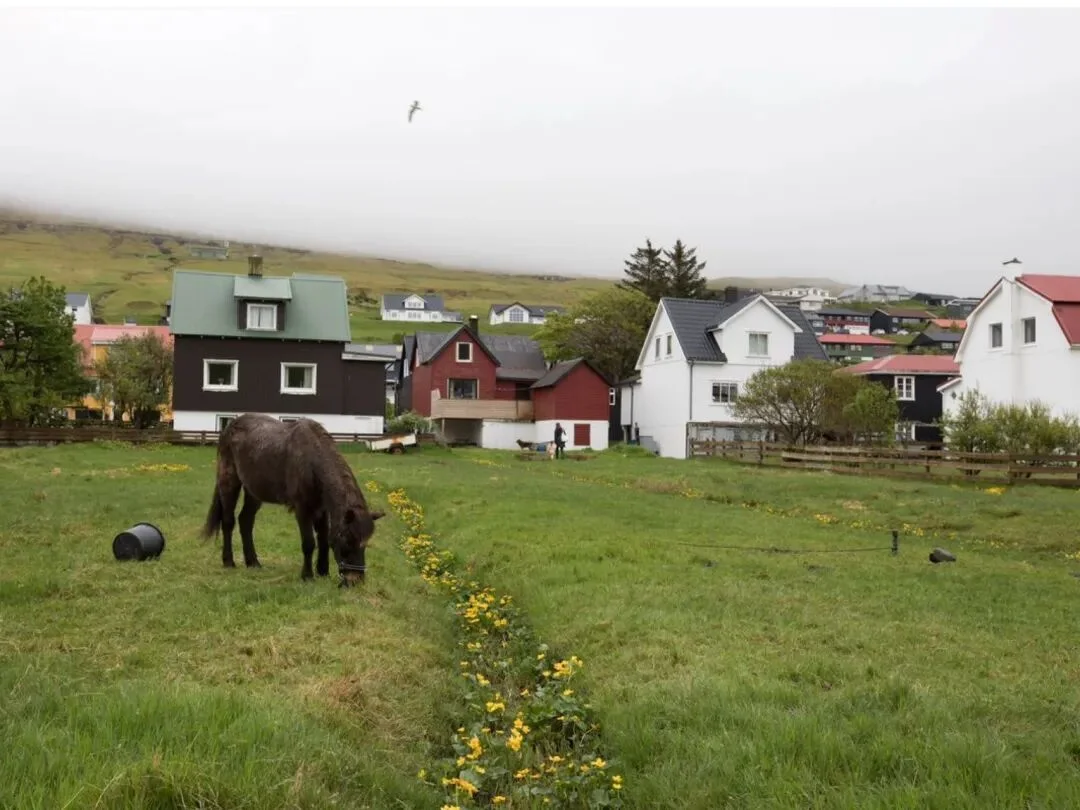
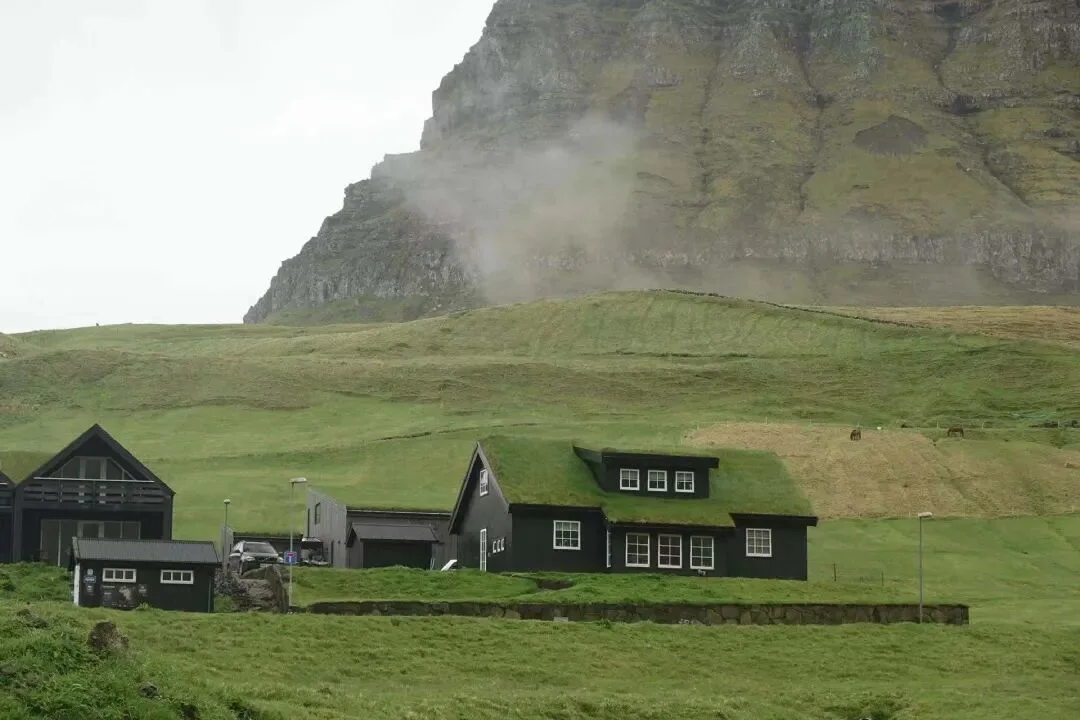
The ship slowly entered the depths of a hidden fjord, and the scenery unfolded along both shores. Oyndarfjordur was quiet and secluded, with layers of green slopes holding the harbor. A small village and port rested deep inside the fjord, isolated from the world like a hidden paradise.
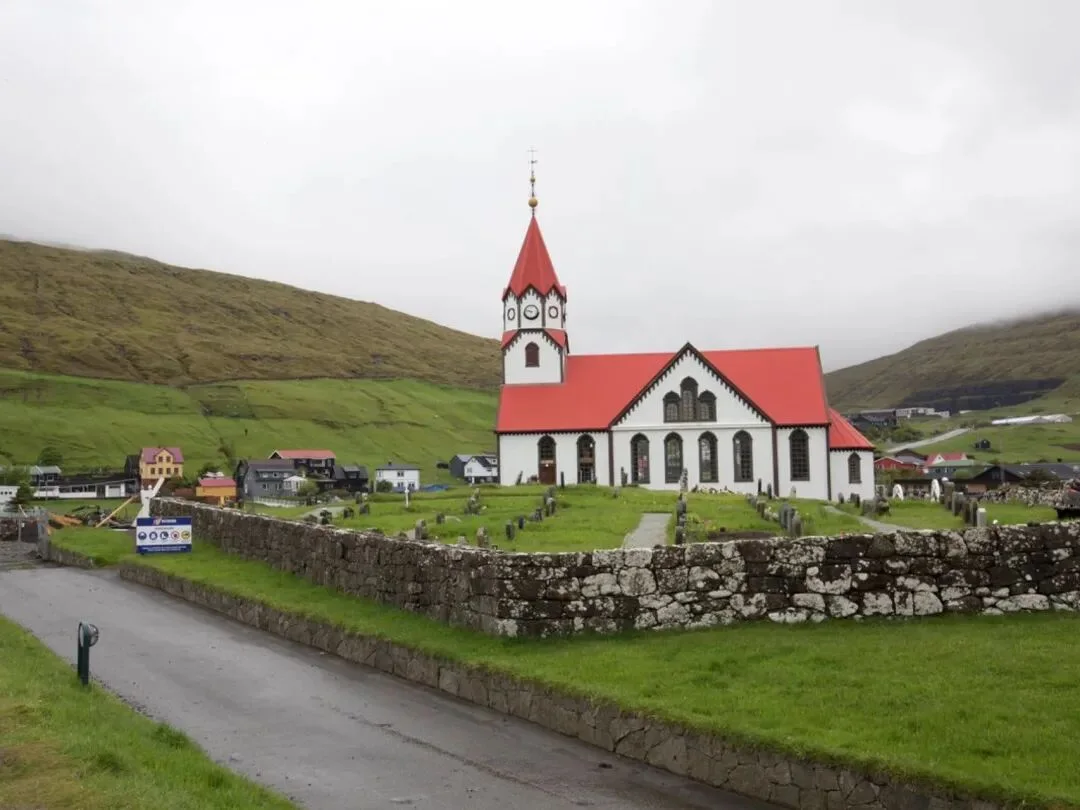
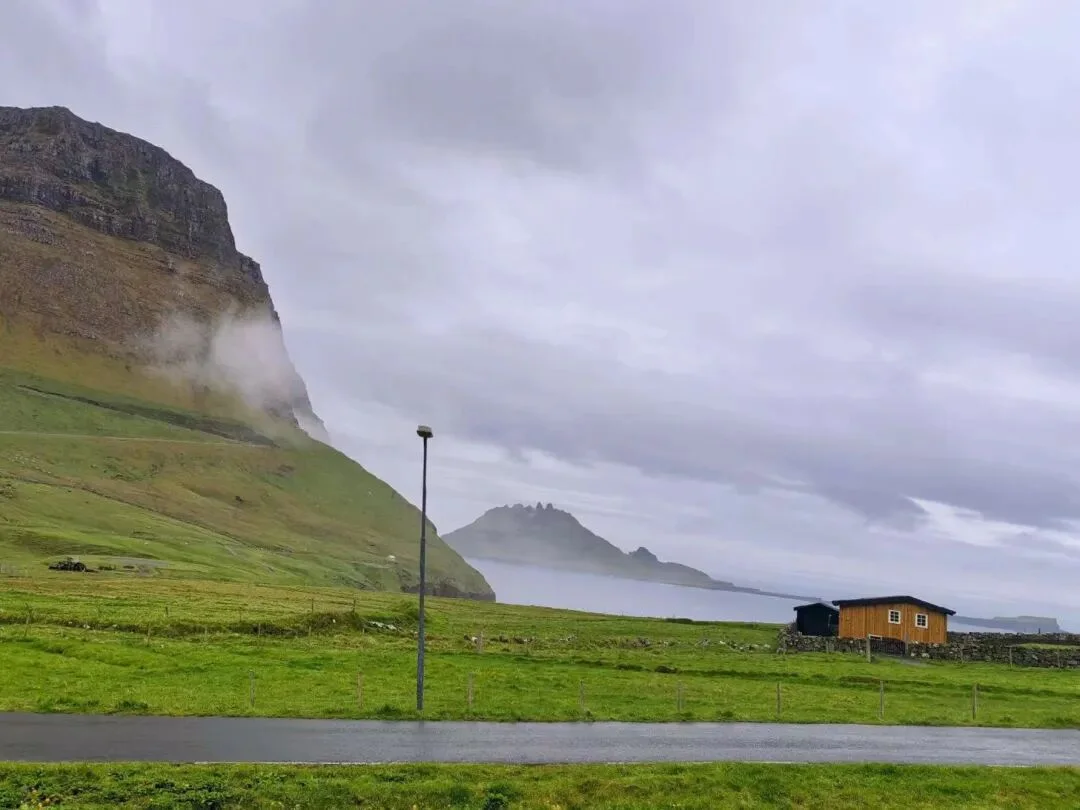
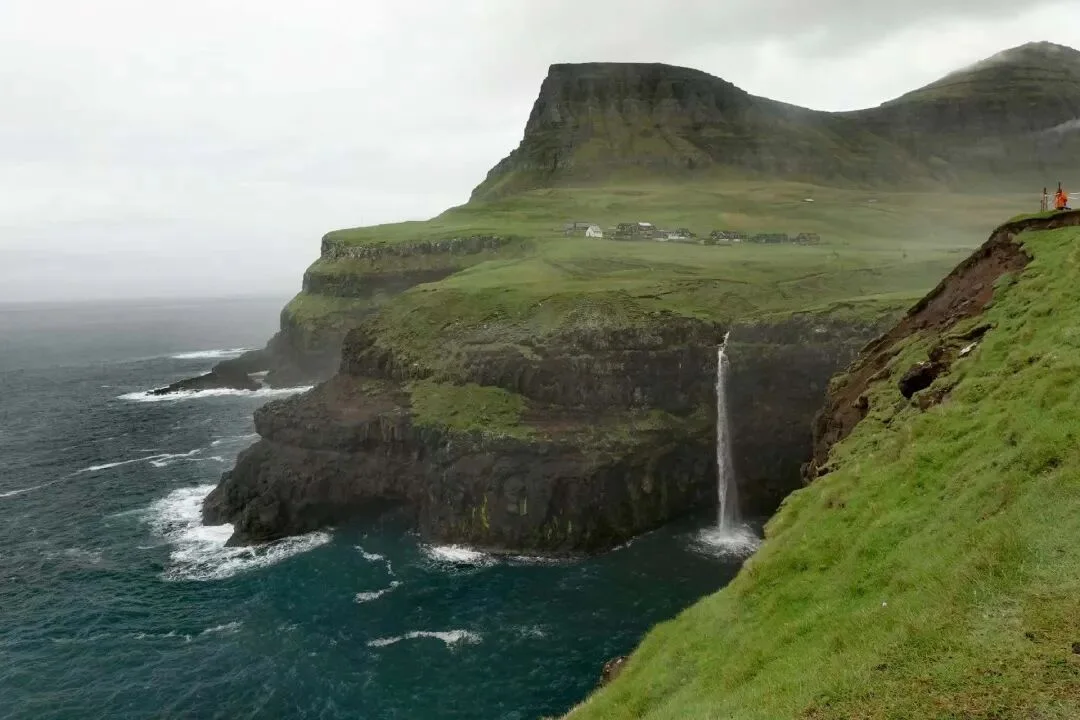
Far away on Vagar Island, waterfalls poured down from cliffs into the deep blue sea. Mist rose and, when struck by light, sometimes opened into a faint rainbow: real and unreal, like a dream.
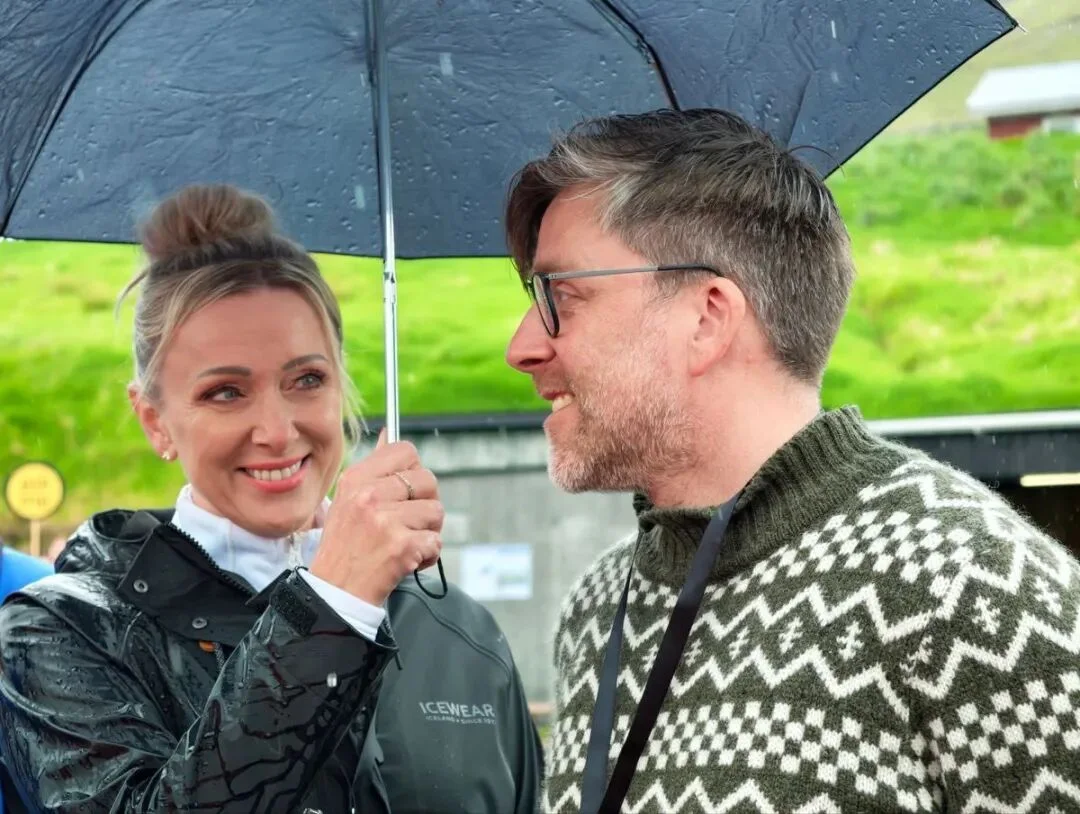
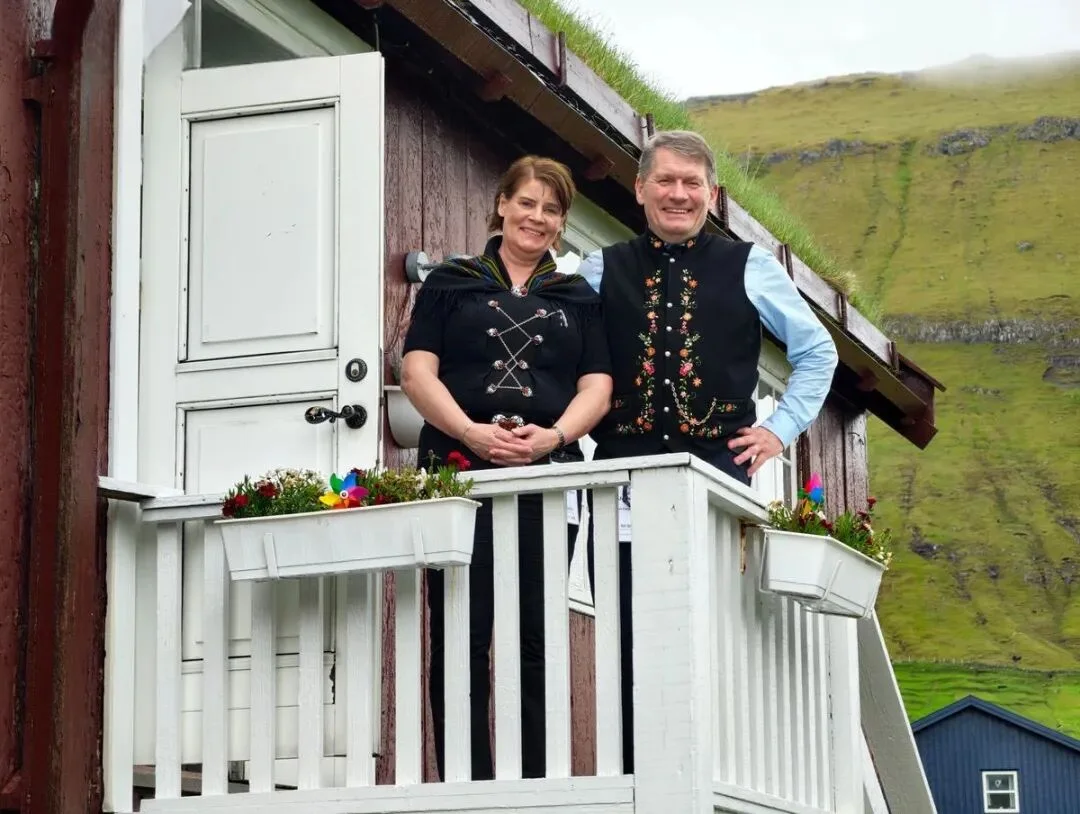
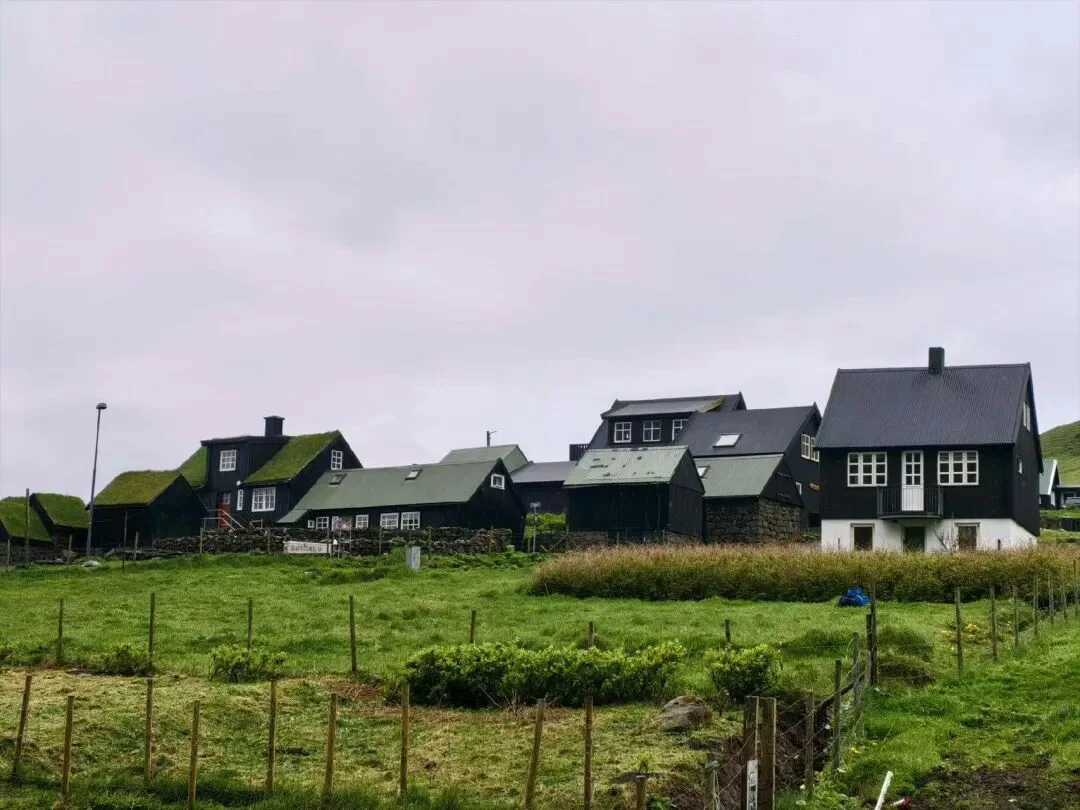
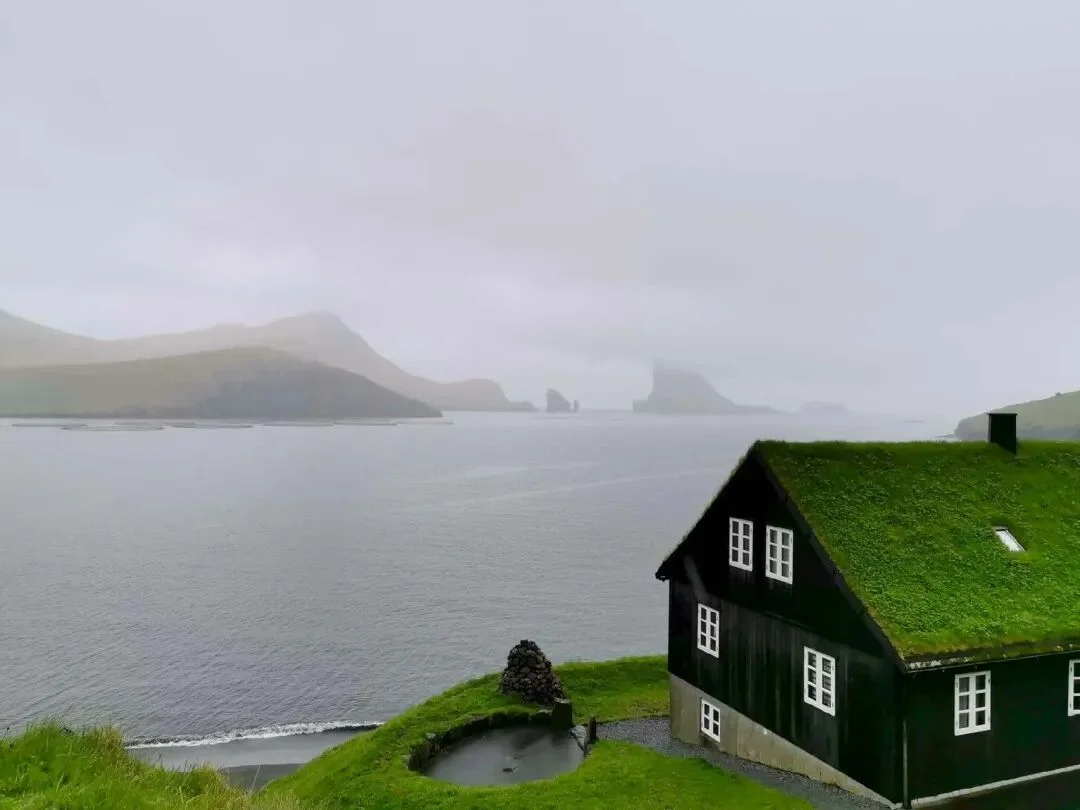
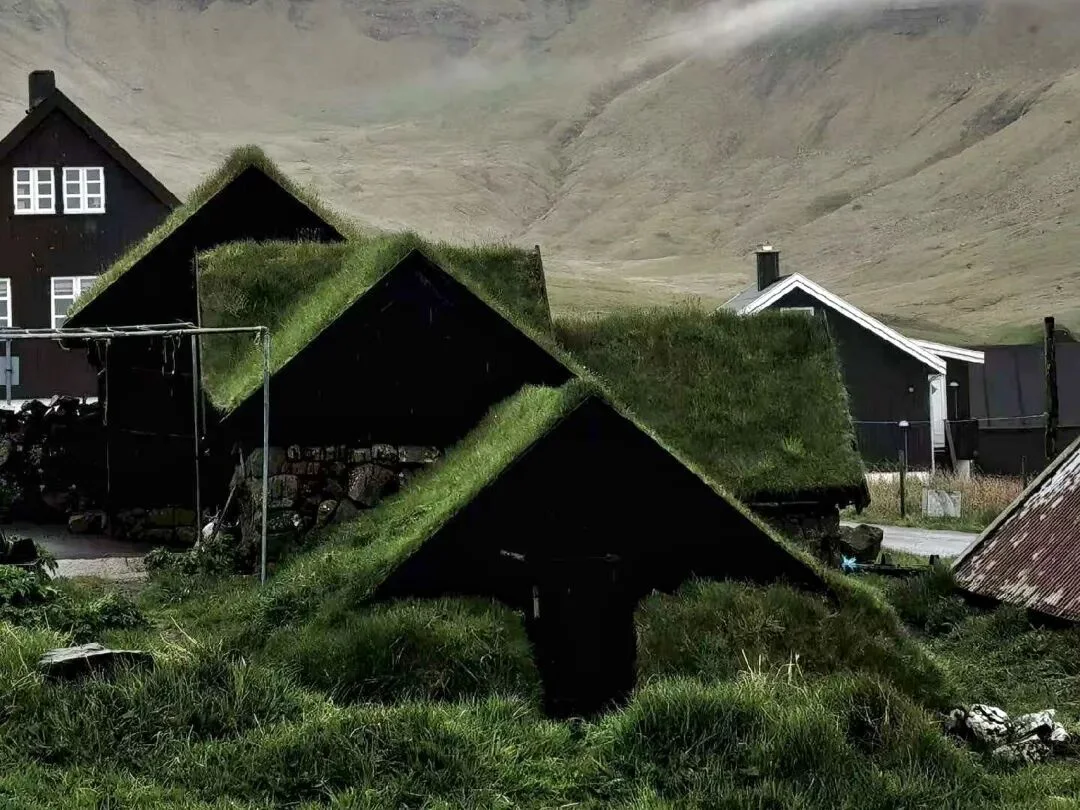
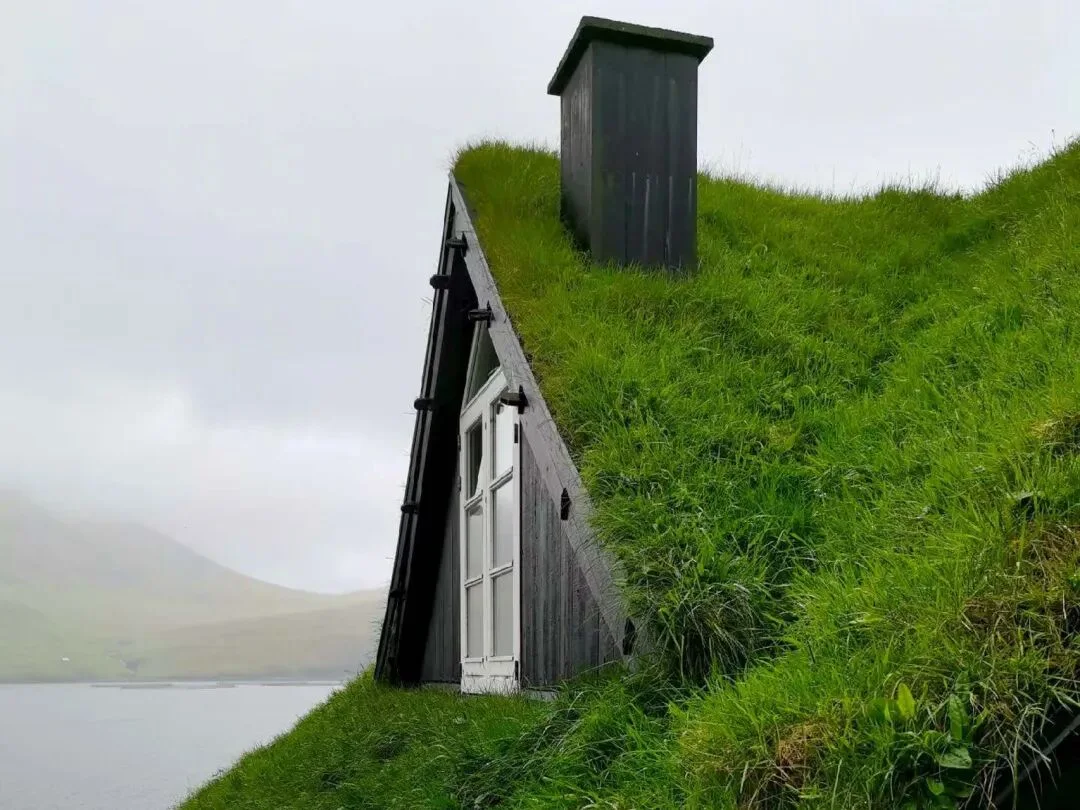
Villages scattered through the mountains appeared neat and distinctive. Turf-roofed wooden houses leaned into the slopes, and brightly colored fishing boats rested quietly by the shore, silently telling of the islanders' resilience and tenderness in living with harsh mountains and sea.

We took a Zodiac to land on the island, and the moist, fresh scent of moss came toward us. From distant mountain villages came faint barking and birdsong, gently woven with the small sounds of waves. All noise was washed away, leaving only extreme quiet and peace.
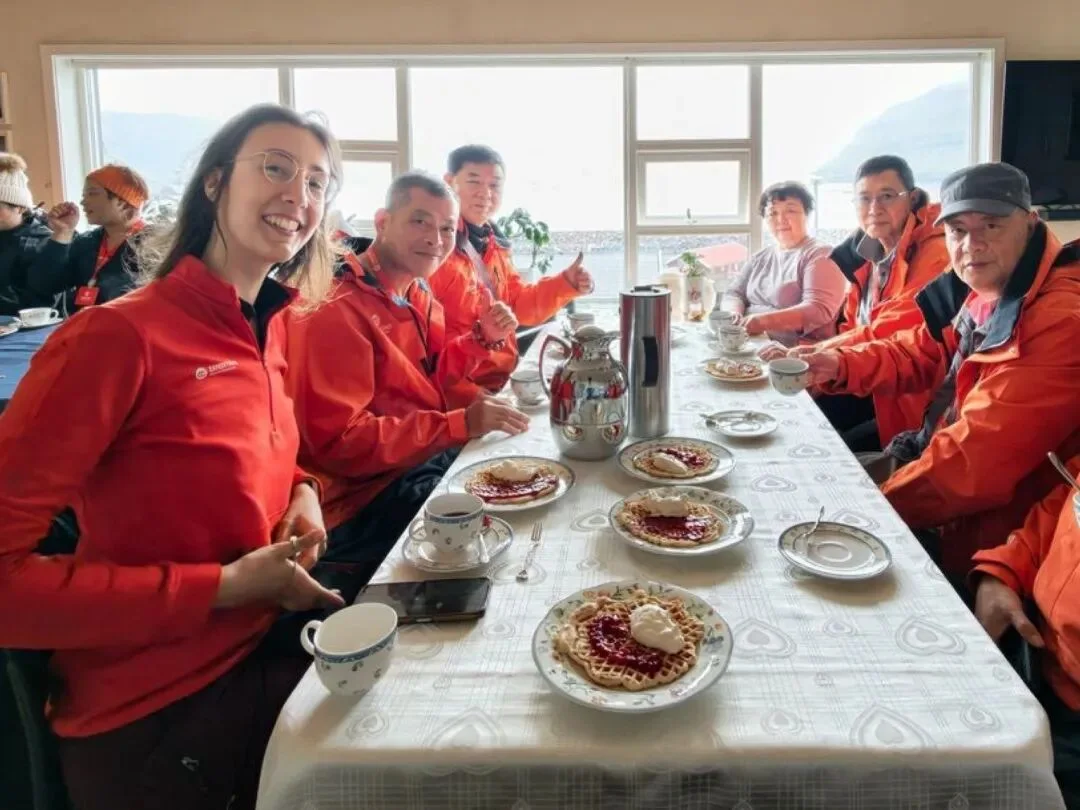
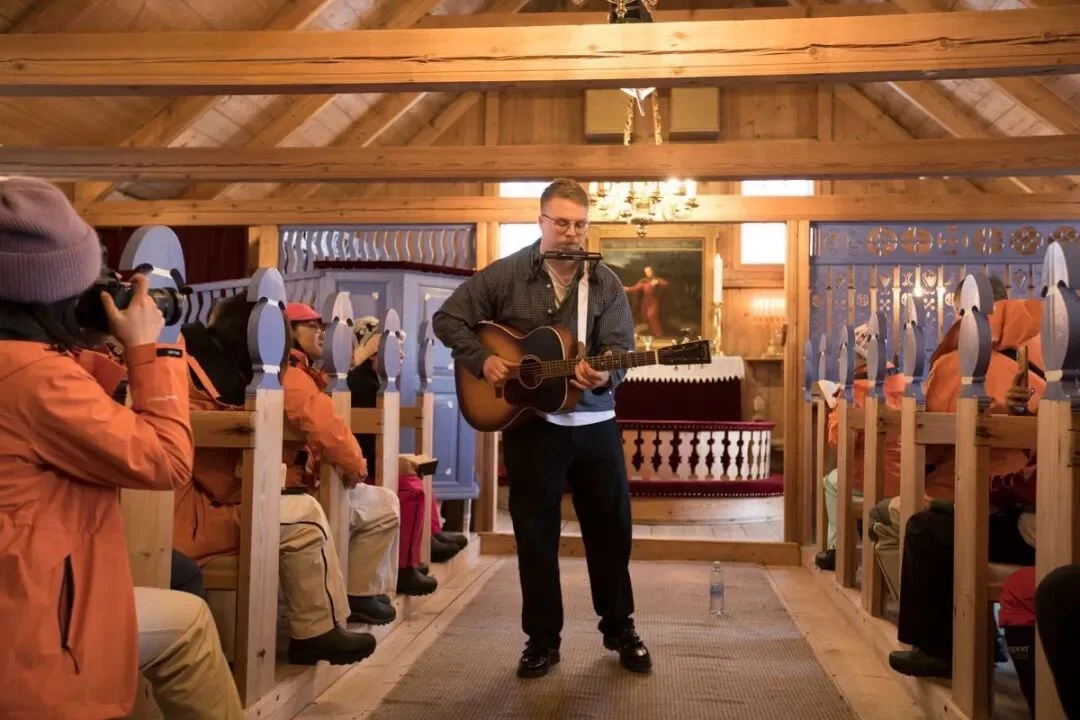
The place where we landed, Oyndarfjordur, is a small village in the Faroe Islands with just over 150 residents. It has long been little visited and rarely sees tourists.
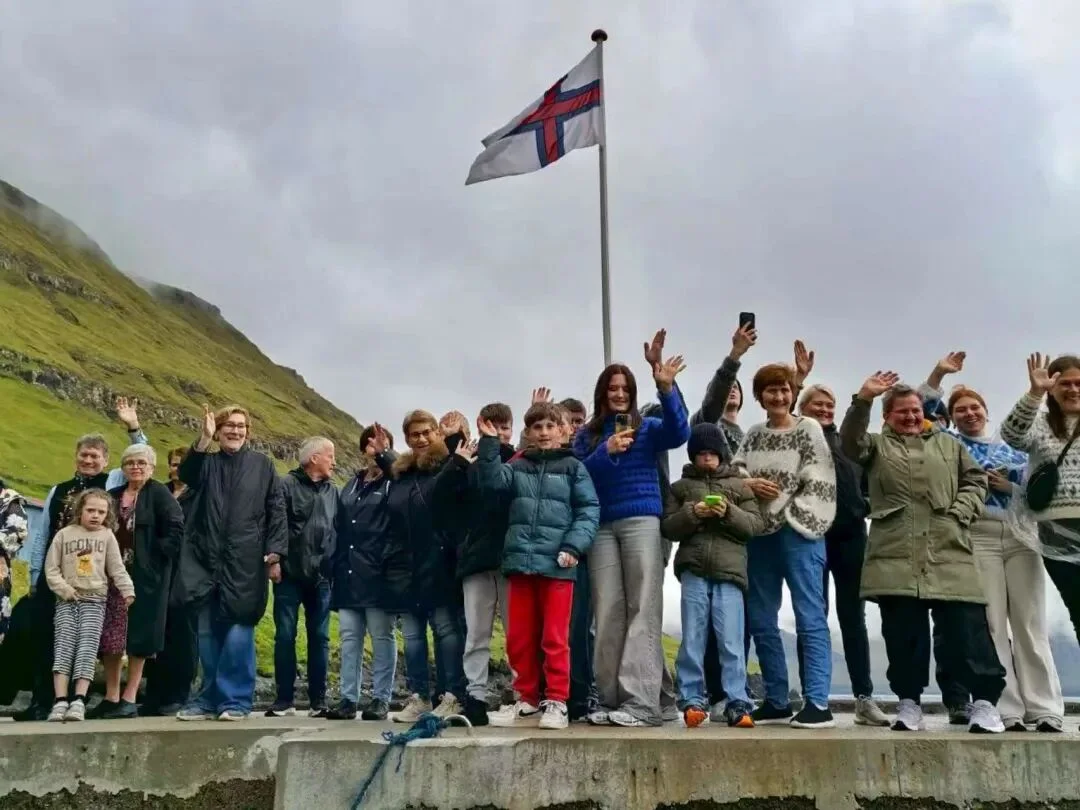
This first visit by ocean travelers filled the simple villagers with warmth. The village mayor led the residents in welcoming us with sincere hospitality and the most unadorned kindness.
When the voyage resumed and we waved goodbye, people of all ages gathered at the pier to see us off.
That honest and pure goodwill crossed mountains, seas and unfamiliarity, gently healing the dust of the journey.
4. The Hanging Lake, Sea Cliffs and Island Life
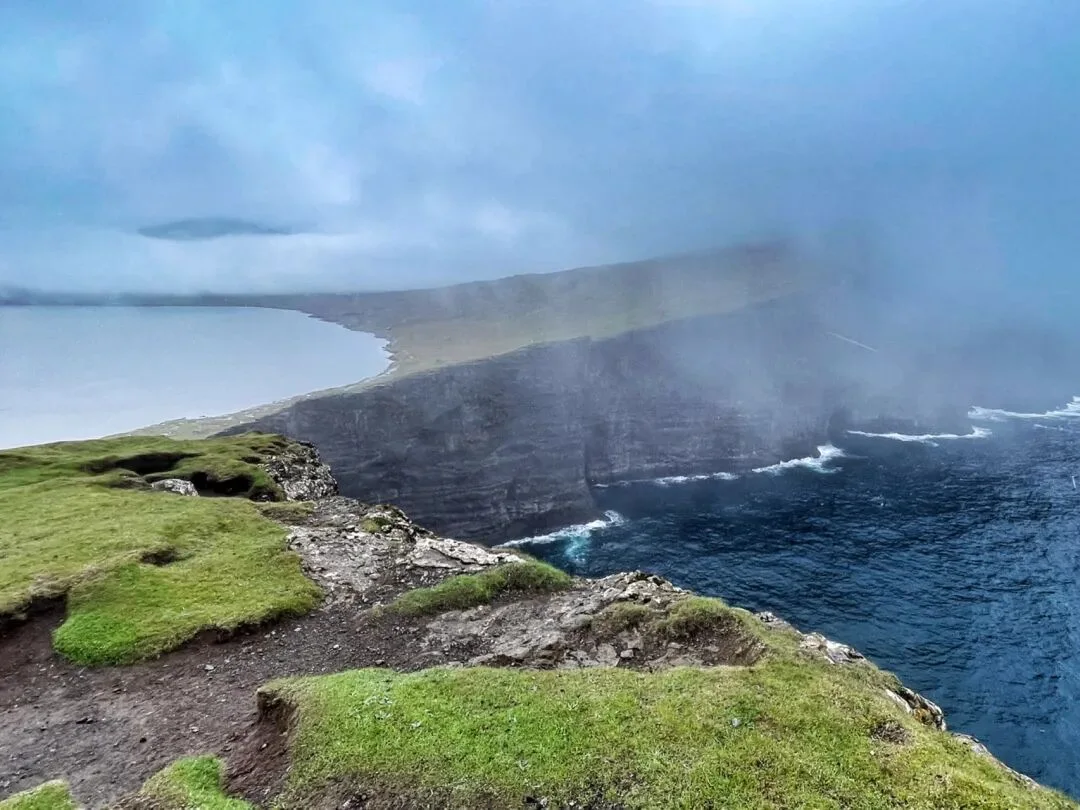
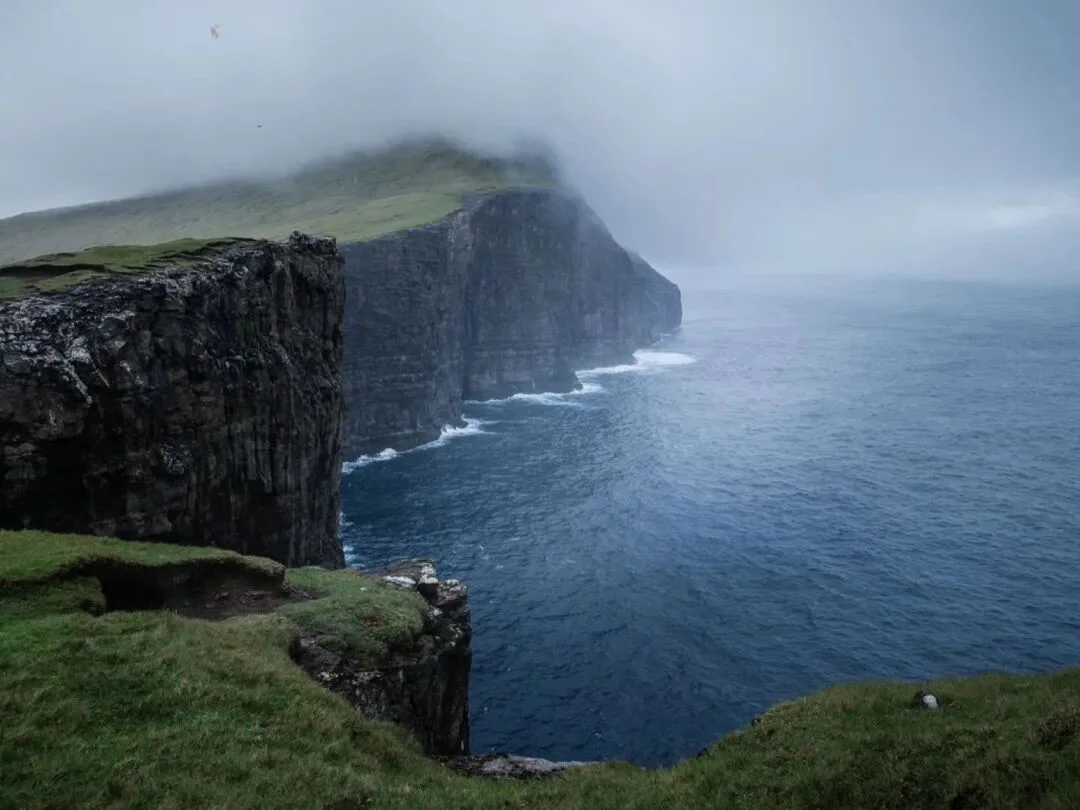
After stepping onto these North Atlantic islands, the most astonishing sight was the Faroe Islands' world-famous hanging lake. Sorvagsvatn rested quietly on the top of a cliff, its clear water embraced by green grass across the hills. Standing at the cliff edge and looking out, the unique terrain created a dramatic illusion: the whole lake seemed to float above the surging Atlantic. Between the clear lake water and the deep blue ocean lay only a steep wall cut as if by blade and axe. It was thrilling and magnificent.
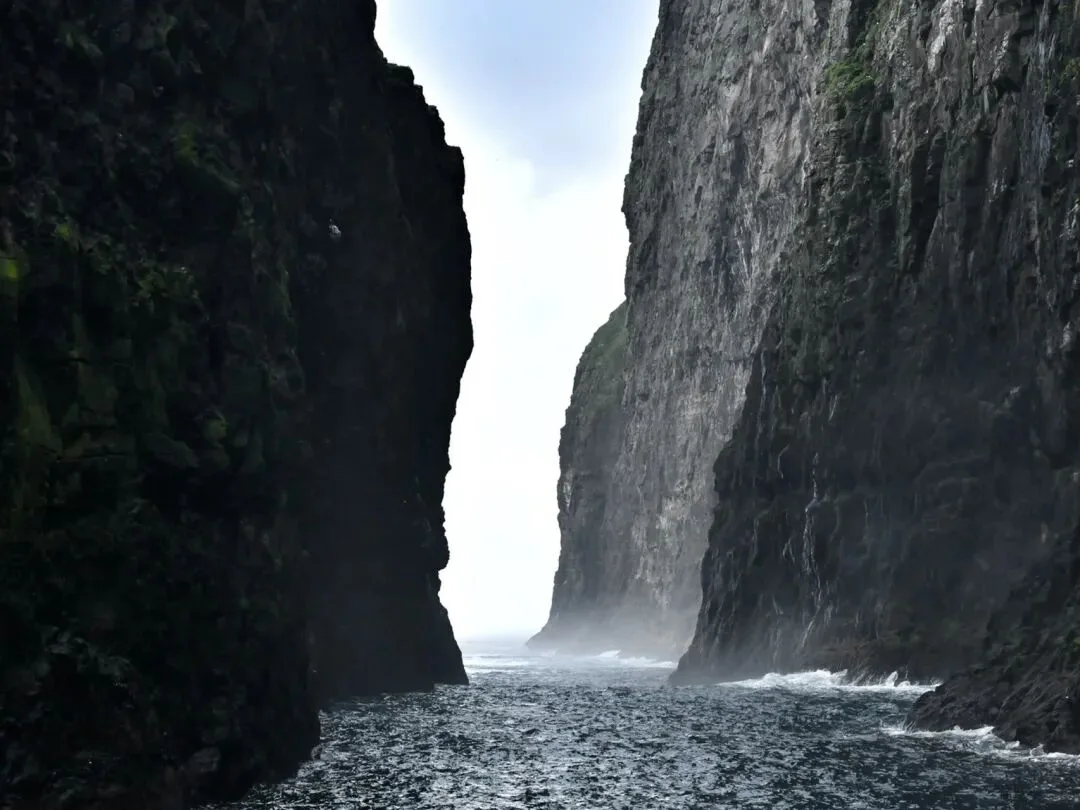
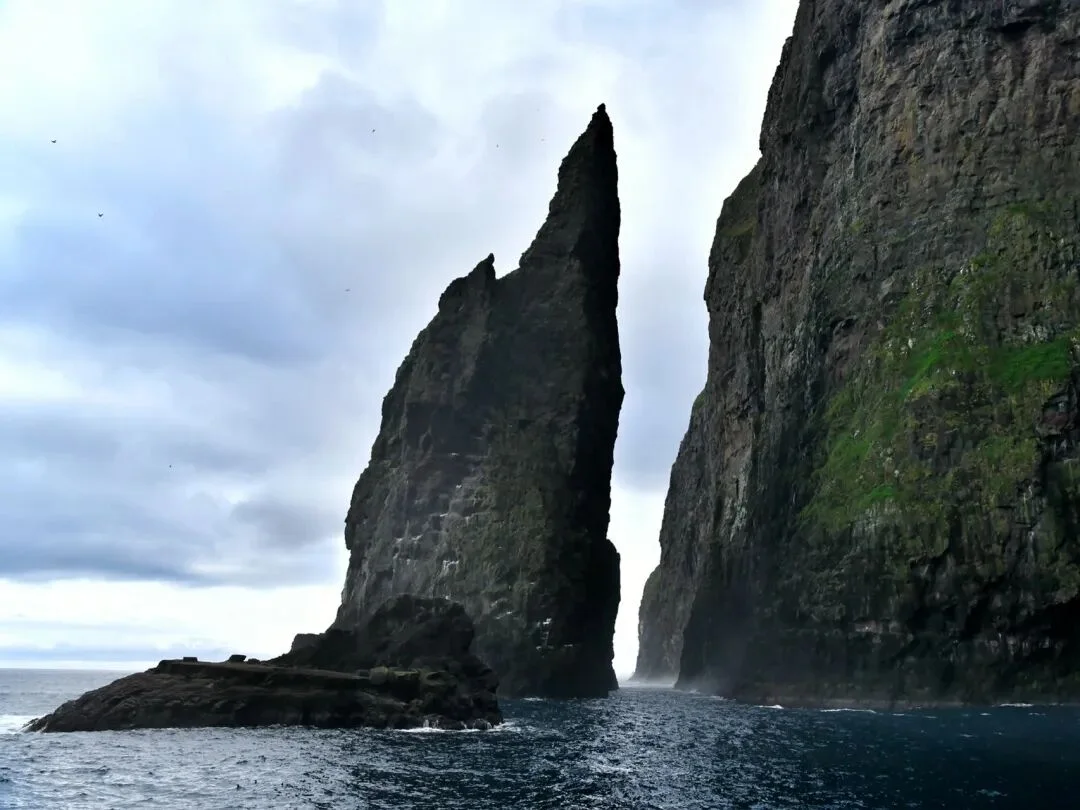
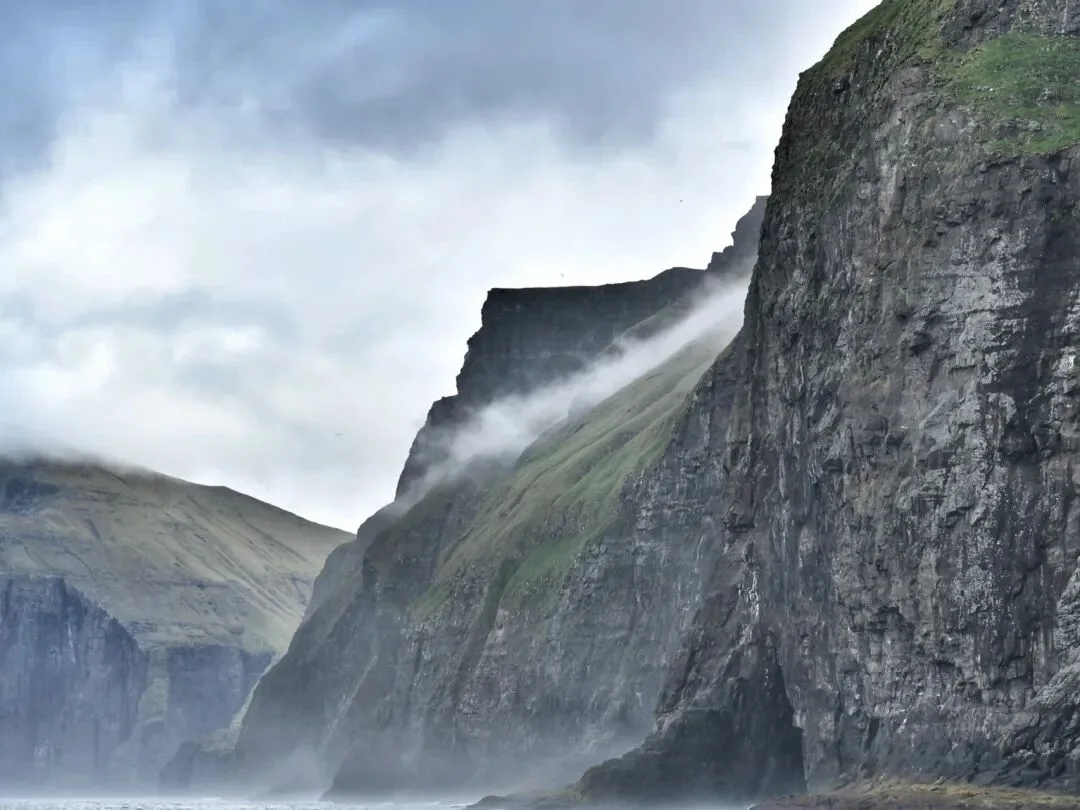
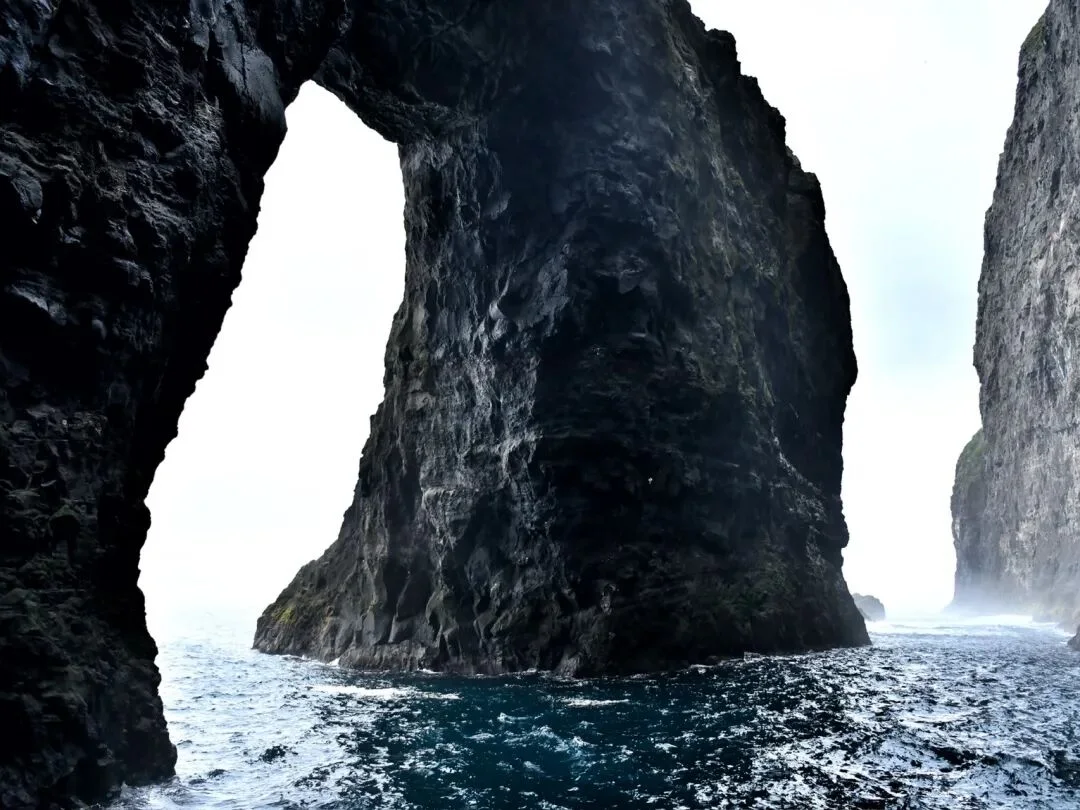
Only by changing to a small boat and moving along the coast could one truly read the creative miracle of this sea. The boat split the clear deep-blue water, while basalt cliffs stood straight on both sides, dropping down into the sea. For millions of years, waves had eroded and carved the rugged rock, opening deep sea caves, suspended sea arches and massive sea stacks rising alone from the water, like loyal and silent guardians of the coast.
A cold sea wind brushed the face, small waves tapped the boat, and flocks of seabirds circled above the cliffs, their calls echoing through the valleys.
Cliffs, strange rocks, great waves and birds formed a vast and powerful scroll of mountains and sea. Every fold of the rock face was a mark polished by time and ocean over millions of years: primitive, immense and deeply moving.
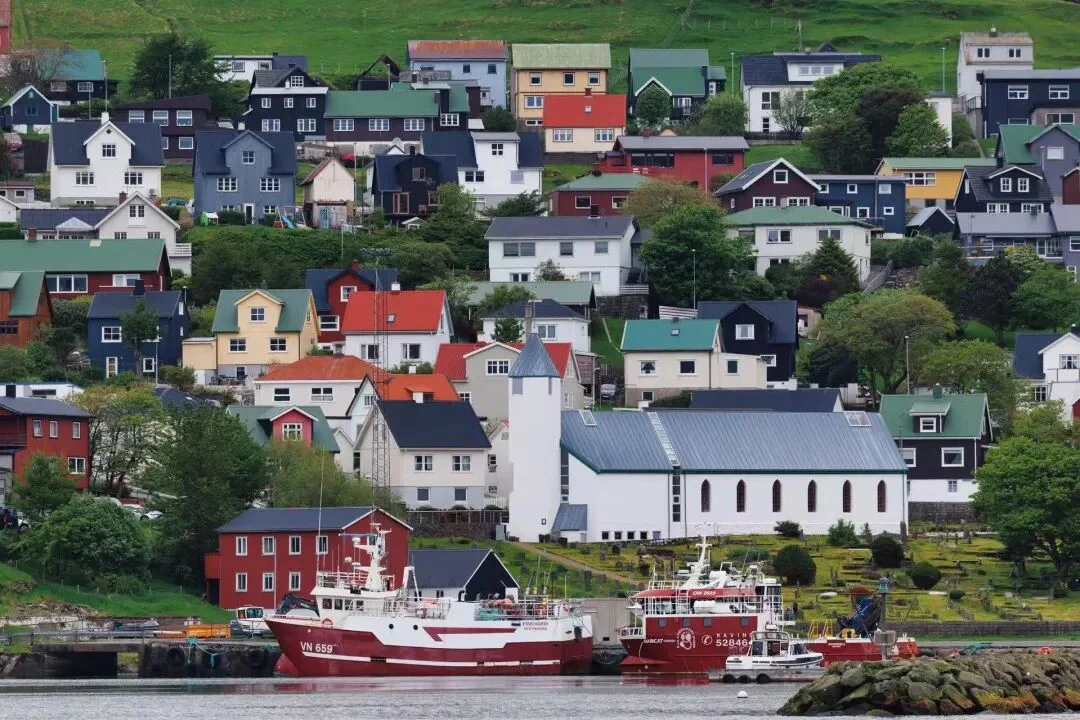
When we reached small coastal towns among the mountains, the fierce edge of the landscape softened into the warm everyday life of the Faroe Islands. Small villages hid among green mountains and fjords. Wooden houses wore thick green turf roofs, colorful homes lined the bay, and clean stone lanes wound quietly through the hills.
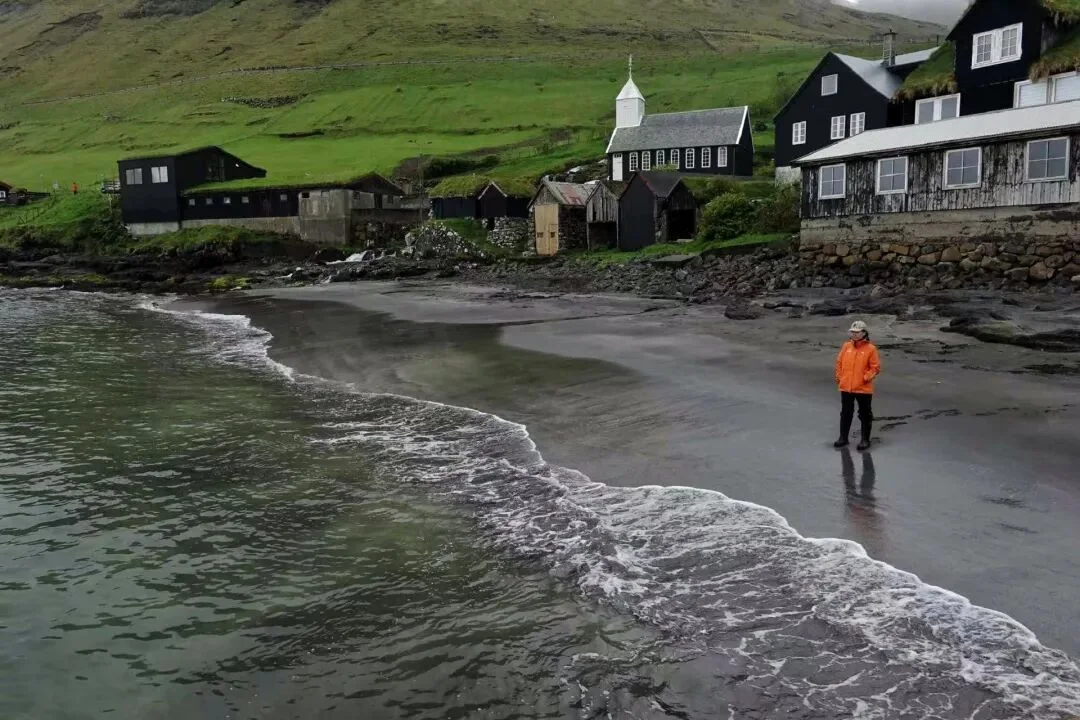
The islanders have lived by the sea for generations, calm and simple, preserving old customs passed down since the Viking age and living quietly with these years beside a lonely ocean. Walking through the streets, one sees groups of sheep moving leisurely over the hills and plain fishing boats resting in the harbor. Time is slow here, and the years are gentle. The sea wind carries stories of mountains and ocean. Human warmth and vast nature blend softly, keeping out all the noise of the world and leaving only the pure peace and simplicity of isolated islands.
Dusk slowly spread across mountains and sea. In the high-latitude polar day, the light remained gentle. A faint purple-blue opened along the horizon, with no heavy night and no complete darkness. The evening wind carried the clean scent of mountain plants and the salt of the deep sea across the ship's deck, refreshing the heart and washing away the dust of the journey.
Standing by the rail, looking out at the chain of Faroe islands and circling seabirds, listening to the repeated sound of waves on shore, I suddenly felt clear and open.
This ocean journey from Iceland to the Faroes was an encounter across mountains and seas, and also a meeting with extreme beauty.
Formed around 50 million years ago, the Faroe Islands are an unrestrained expression of Earth's ancient power: the magnificent heat of glaciers and volcanoes colliding, the gentle carving of long winds and deep seas over millions of years, and the quiet distance settled by time. They are different from Iceland in spirit. One is hard and the other soft; one intense and the other quiet. On this voyage, they connected perfectly and complemented each other.
It turned out that this journey across the North Atlantic was never merely a crossing of geography. It was also a journey of the soul, healing body and mind. We said farewell to Iceland's ice fields, volcanoes and ancient vastness, and sailed toward the Faroes' long winds, blue seas and remote grandeur. In this pure and primitive secret place, we met the tenderness of mountains and sea and unlocked the peace of time, letting every wind-and-wave journey be filled with the poetry and legend that belong only to the North Atlantic.